
Author profile
Livestock
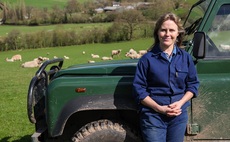
I would like to start with a heartfelt apology to the people of Scotland. Last month I mentioned that an Englishman, an Irishman and a Welshman travelled to Scotland and achieved their 400-a-day shearing goals.
 29 August 2020
鈥�
2 min read
29 August 2020
鈥�
2 min read
Livestock
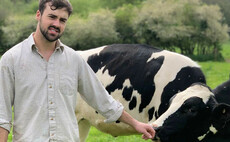
Joining the grassland monitoring project, GrassCheckGB, and switching to paddock grazing is helping a high-yielding herd in Dorset maximise milk from grazed grass and cut its concentrate costs.
28 August 2020
鈥�
5 min read
Farm Life
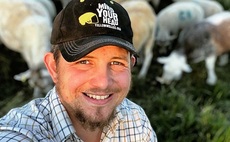
Matt Styles is 25 and lives and works on a 1600 acre arable farm in the Cambridgeshire Fens. Along with his wife Floss, he runs a flock of 70 sheep.
28 August 2020
鈥�
2 min read
Farm Life
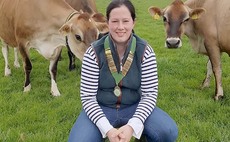
A grassroots army has kept the Young 草榴社区鈥� Club movement alive during the Covid-19 pandemic. There have been online rallies, bake-offs, stockjudging, training sessions, committee meetings and more. Sarah Todd reports.
28 August 2020
鈥�
6 min read
Livestock
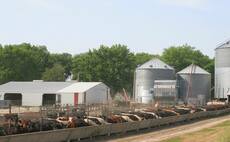
The US is the largest beef producer in the world. In the third part of a four-part series examining the US beef industry and markets, 草榴社区 Guardian鈥檚 sister company Urner Barry looks at the trends impacting US production.
28 August 2020
鈥�
3 min read
Arable
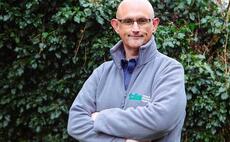
In just over four months, the UK will finally achieve its independence from the EU. But farmers should be asking if they鈥檙e prepared for big changes in policy and trade, says George Dunn, chief executive of the TFA.
28 August 2020
鈥�
3 min read
Arable
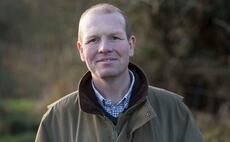
The UK can lead the world in tackling our climate and nature emergency by protecting food production standards in law, but sadly, politicians do not seem to recognise this, says Martin Lines, chairman of the Nature Friendly Farming Network.
28 August 2020
鈥�
4 min read

Arable
ELMS might not be shaping up to be the revolutionary scheme promised by Ministers, but my experience tells me reinventing the wheel may not necessarily be a good thing, says Efra committee chairman Neil Parish MP.
28 August 2020
鈥�
3 min read
Dairy
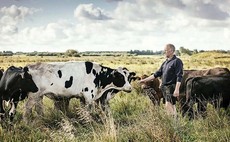
Public visits to dairy farms during lockdown have all ceased, but milking cows carries on regardless. Chris McCullough looks at how one organic farm in Denmark is coping during the crisis.
27 August 2020
鈥�
3 min read
Arable
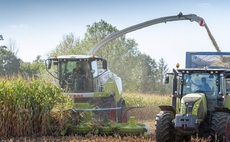
Maize is a valued component of dairy and beef rations and maximising its feed value and minimising wastage will contribute to reduced feed costs and improved performance.
27 August 2020
鈥�
7 min read