
Author profile

Arable
Turbulence caused by Brexit and the coronavirus is not going away, but there are some positive lessons which can be learned from both, says Sue Pritchard, chief executive of the Food and Farming Countryside Commission.
 22 May 2020
鈥�
4 min read
22 May 2020
鈥�
4 min read

Arable
After listening carefully to the arguments on both sides, Conservative High Peak MP Robert Largan decided he couldn鈥檛 vote for or against the Agriculture Bill amendment to ban low standard imports. Here, he explains why.
22 May 2020
鈥�
3 min read
Arable
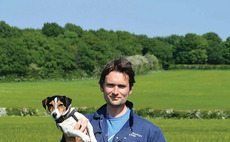
The mask has fallen. UK farmers have been betrayed by this Government, which promised to protect our food production standards in trade deals, says Leicestershire arable and beef farmer Joe Stanley.
22 May 2020
鈥�
3 min read

Arable
Ensuring the UK鈥檚 food supply is secure must be a key aim in all of our future trade talks, as well as post-Brexit farm policy, says Conservative peer Anne McIntosh.
22 May 2020
鈥�
3 min read

Arable
The Government鈥檚 failure to protect our standards in the Agriculture Bill was very disappointing, but UK farmers shouldn鈥檛 be too demoralised because they have high quality products to sell, says Andrew Robinson, head of agriculture at Armstrong Watson.
22 May 2020
鈥�
2 min read
Farm Life
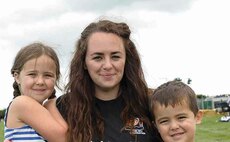
After the tragic death of her husband, Emma Picton聳Jones launched a foundation to improve mental health awareness among farmers in Wales.
21 May 2020
鈥�
3 min read
Farm Life
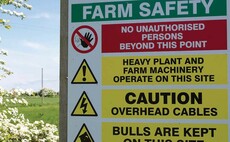
COVID-19 turned the whole world upside down in a matter of days, affecting every sector in every corner of the UK says Simon Houghton, risk consultant at Lycetts Risk Management Services (LRMS).听
21 May 2020
鈥�
1 min read
Arable
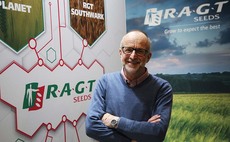
RAGT is introducing the first European winter wheat variety with a high level of resistance to barley yellow dwarf virus.
21 May 2020
鈥�
1 min read
Arable
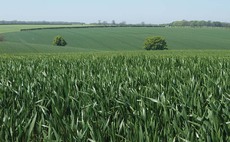
With many wheat crops either poorly established or drilled particularly late, ensuring micronutrient requirements are met can give yields an extra boost.
21 May 2020
鈥�
2 min read

Livestock
There can be few practices on the farm which can be changed with so little investment, and to such great effect, than age at first calving. Still, the UK鈥檚 age at first calving remains stubbornly fixed at an average 28 months, despite the well-promoted benefits of calving at two years.
20 May 2020
鈥�
7 min read