
Author profile

Farm Life
Two free virtual 草榴社区 Guardian events are offering UK farmers the chance to find out more about the opportunities the New Zealand agritech industry has to offer.
 18 August 2020
鈥�
1 min read
18 August 2020
鈥�
1 min read
Farm Life
With the Roundup now applied to some of the spring barley crops, we are on the short countdown to harvest.
18 August 2020
鈥�
2 min read
Farm Life
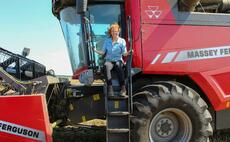
Amy Wilkinson, 24, farms with her dad in Halsall, Lancashire. She rears 550 beef cattle through to finishing and farms 243 hectares (600 acres) of arable land.
17 August 2020
鈥�
2 min read

Livestock
Accurate interpretation and a proactive approach to pregnancy diagnosis (PD) results can pay off for suckler producers. Vet Kaz Strycharczyk, of Black Sheep Farm Health, Northumberland, offered a few tips.
15 August 2020
鈥�
4 min read
Livestock
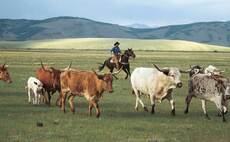
The US beef industry has been at the centre of discussion on a post-Brexit US-UK trade deal. In the first of a four-part series examining the US beef industry and markets, 草榴社区 Guardian鈥檚 sister company Urner Barry looks at the structure of the industry from the ranch to the packing plant.
15 August 2020
鈥�
2 min read
Livestock
Calf scours and pneumonia among youngstock in the beef suckler herd continues to be a major gripe for UK beef producers. 草榴社区 Guardian reports.
14 August 2020
鈥�
2 min read

Arable
The Defra family responsible for ELMs development is becoming too inward-focused, instead of looking out to farmers who will deliver their ambitions, says Julia Aglionby, executive director for the Foundation for Common Land.
14 August 2020
鈥�
5 min read
Farm Life
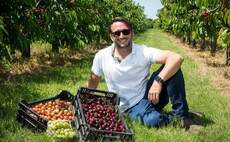
For fruit grower David Butler, streamlining is proving crucial to securing a commercially thriving fruit growing enterprise for years to come. Jack Watkins reports.
14 August 2020
鈥�
6 min read

Arable
The UK Government either does not appreciate, or care, about what Brexit is about to bring for farmers, says Deidre Brock, SNP Westminster spokesperson for Environment, Food and Rural Affairs.
14 August 2020
鈥�
3 min read
Arable
This Government鈥檚 sugar plans, whether changing the tariff regime or refusing to reconsider the neonics ban for beet, prove no Minister is backing British farming, says Leicestershire arable and beef farmer Joe Stanley.
14 August 2020
鈥�
4 min read