
Author profile

Farm Life
UK agriculture is at a critical juncture with decisions being made about the industry now which will shape its future for years to come.
 25 September 2020
鈥�
5 min read
25 September 2020
鈥�
5 min read
Arable
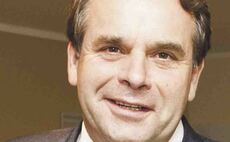
During the peak of the Covid-19 pandemic in April, food kept flowing through the UK鈥檚 borders and into our supermarkets. But a second wave coupled with a no-deal Brexit has the potential to threaten our supply, says Efra select committee chair Neil Parish.
25 September 2020
鈥�
3 min read

Arable
As a farmer鈥檚 son, and someone who married into a farming family, I understand the importance of a properly functioning internal UK market to the agriculture sector, says Paul Davies, leader of the Welsh Conservatives.
25 September 2020
鈥�
3 min read
Arable
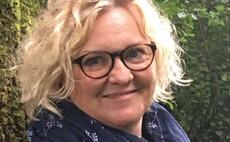
The Government has left businesses in a state of Brexit uncertainty for too long, and it still remains unclear how we will trade with the EU in less than 100 days. That is astonishing, says Sue Pritchard, chief executive of the Food, Farming and Countryside Commission.
25 September 2020
鈥�
4 min read
Farm Life
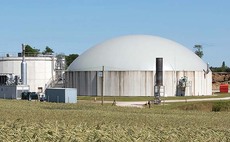
With the NFU setting the ambitious target of reaching net zero by 2040, Lloyds Bank says it is ready to help agri-businesses move towards a greener future.
24 September 2020
鈥�
7 min read
Farm Life
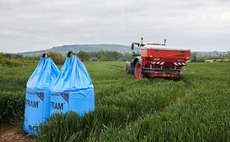
Use of all agricultural inputs is under increasing scrutiny as the race to decarbonise all aspects of UK life to achieve 鈥榥et zero鈥� gains momentum, says Dr George Fisher of CF Fertilisers.
24 September 2020
鈥�
7 min read
Farm Life
Banks have committed to helping agricultural businesses reduce their carbon footprint by offering new tools and lending schemes specifically for environmental projects.
24 September 2020
鈥�
3 min read
Farm Life
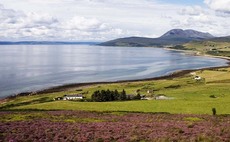
An island known as 鈥楽cotland in miniature鈥� could be used as a blueprint to boost Scottish farming output while reducing greenhouse gas emissions. Nick Drainey reports.
24 September 2020
鈥�
3 min read

Farm Life
Farming with the environment at the forefront of planning and decision making can have economic and practical benefits, suggests one Aberdeenshire farmer. Alex Heath looks at the technology employed on the farm.
24 September 2020
鈥�
7 min read
Farm Life
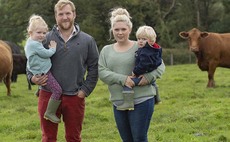
After the loss of a large portion of their herd to bovine TB (bTB), Henry and Bryony Andrews decided to change the direction of their business to follow a carbonneutral path. Rebecca Jordan reports.
24 September 2020
鈥�
9 min read