
Author profile
Farm Life
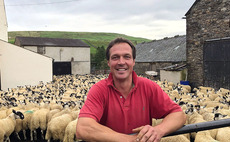
February on-farm is all winter routine and maintenance, but off-farm it鈥檚 a classic month for squeezing in every committee meeting possible before every sheep farmer gets busy lambing.
 23 February 2022
鈥�
3 min read
23 February 2022
鈥�
3 min read

Farm Life
As I write, all the good done by Mother Nature鈥檚 own version of 鈥榙ry January鈥� is being undone by Febru-rainy.
23 February 2022
鈥�
2 min read
Livestock
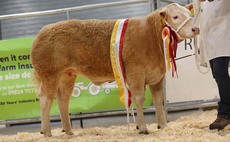
Leading a small entry at the North Wales Show Potential sale at Ruthin at 5,800 was a Charolais cross heifer bred by Gary Jones and family, Betws y Coed.
23 February 2022
鈥�
1 min read

Farm Life
Thomas Saunders, 21, grew up on a mixed farm in Oakley, Bedfordshire. He is currently studying at Harper Adams University and is a NFU student and young farmer ambassador.
23 February 2022
鈥�
2 min read
Livestock
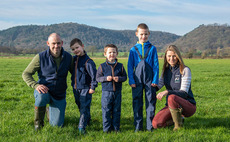
The county council farm system has been instrumental in helping Paul and Becky Fenton realise their ultimate dream of buying their own farm. Lauren Williamson reports.
22 February 2022
鈥�
6 min read
Livestock
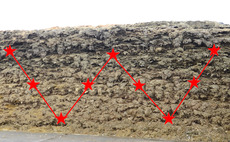
Inaccurate silage sampling can result in reduced performance and higher feed costs according to Dr Liz Homer from Trouw Nutrition GB who urges dairy farmers to make sure the samples sent for analysis are representative of the whole face.
21 February 2022
鈥�
4 min read
Livestock
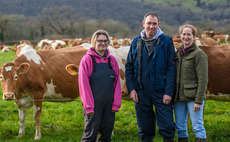
A programme of investment including a new energy-efficient parlour and cow housing is set to slash milking times and reduce running costs for one 300-cow Guernsey herd in Somerset. Wendy Short finds out more.
21 February 2022
鈥�
6 min read
Livestock
Dairy farmers are constantly being urged to increase milk from forage, but the exact financial benefits of doing this are not always spelled out.
21 February 2022
鈥�
1 min read
Livestock
Taking a targeted approach to the use of manures and slurries as part of a comprehensive nutrient management planning process is essential to keep input costs manageable.
21 February 2022
鈥�
5 min read

Livestock
Ross Dilks, an agronomist with Agrii and a dairy farmer in Derbyshire, says although his clients have tried a variety of home-grown feed sources over recent years, his experience shows grass is consistently the most cost-effective way to feed dairy cows.
21 February 2022
鈥�
3 min read