Arable Farming
Arable
NIAB has opened its new Cambridge headquarters following a two-year, 拢25 million redevelopment and construction project.
 04 February 2020
鈥�
1 min read
04 February 2020
鈥�
1 min read
Arable
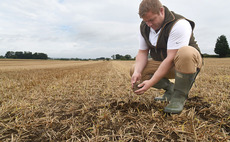
This year has started on a much more positive note than its predecessor. The more settled weather has improved soil conditions no end and in some cases has even prompted some drills to awaken from their post New Year snooze and re-enter the winter sowing campaign.
04 February 2020
鈥�
3 min read

Arable
The latest safe sowing dates for the various winter crops I had optimistically hoped we would get an opportunity to drill are fast approaching and will soon be a distant memory, probably without a wheel ever turning.
03 February 2020
鈥�
4 min read
Arable
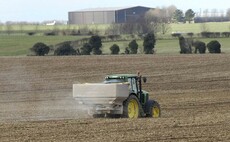
Independent trials have shown more than 拢70/hectare can be saved on fertiliser costs for virtually the same wheat yield by using solid ammonium nitrate rather than nitrogen in a liquid format.
03 February 2020
鈥�
4 min read

Arable
With the weather having being kinder to us since the turn of the year, significant progress has been made on two fronts.
01 February 2020
鈥�
3 min read
Arable
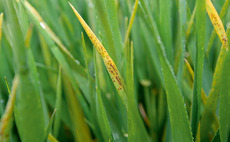
With the backdrop of resistance issues and withdrawal of chlorothalonil (CTL), growers attending the AHDB/SRUC Agronomy 2020 meeting in Inverurie heard how to maximise disease control this season. Jo Learmonth reports.
31 January 2020
鈥�
3 min read
Arable
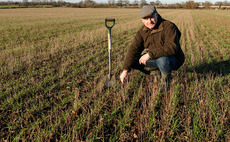
Essex farmer and advocate of no-till farming Simon Cowell hopes that the new decade will bring Government support for growers to pursue sustainable farming practices more widely.
30 January 2020
鈥�
6 min read
Arable
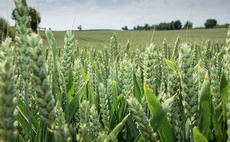
New wheat fungicide Inatreq Active (fenpicoxamid), developed by Corteva will not be launched in time for this season but the company remains confident it will be in the market in 2021.
29 January 2020
鈥�
1 min read
Arable
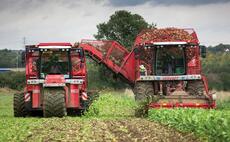
With approximately two-thirds of the sugar beet harvest complete, some sugar factories are set to stay open for longer due to wet soil conditions delaying harvesting in some areas.
29 January 2020
鈥�
2 min read
Arable
Syngenta鈥檚 first hybrid wheat variety could be available to French growers as soon as 2022, as part of the company鈥檚 鈥榮ustainable future for wheat鈥� plan.
22 January 2020
鈥�
2 min read