Arable Farming
Arable
Potato growers are being urged to prepare now for changes in the potato seed treatment line-up this spring, as product choices and application options have narrowed.
 11 February 2020
鈥�
1 min read
11 February 2020
鈥�
1 min read
Arable
With some winter crops only just in the ground, and margins particularly tight, fungicide programmes will need careful consideration this season.
09 February 2020
鈥�
4 min read

Arable
Not always a popular cropping option, spring oilseed rape could come into its own this year with firm prices among other factors in its favour, delegates at a United Oilseeds/AHDB Agronomy Seminar heard.
08 February 2020
鈥�
2 min read
Arable
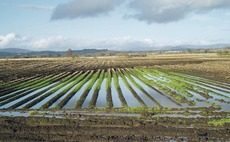
Sodden soils have severely hampered early weed control opportunities this season, and a wet and mild winter, which is typically followed by higher spring grass-weed populations, could make the challenge even greater.
08 February 2020
鈥�
2 min read

Arable
An international group of scientists, led by Rothamsted Research and the John Innes Centre, has opened its door to healthier wheat varieties, after pinpointing genes responsible for the dietary fibre content of flour.
05 February 2020
鈥�
1 min read
Arable
Amid short supplies and high prices for spring bean seed, following a season when many winter crops have not been sown or have failed to establish, some growers are asking how late winter beans can be sown.
05 February 2020
鈥�
1 min read
Arable
Potato production in the north east and north west of England has fallen by an estimated 36,100 tonnes on the previous season, to 205,200t.
05 February 2020
鈥�
2 min read

Arable
Scientists have teamed up with farmers and industry to explore the possibility of growing organic oilseed rape in Scotland for the first time.
05 February 2020
鈥�
3 min read
Arable
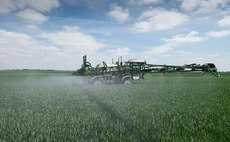
With increasing pressure to retain the performance of current actives, and a tight year expected financially, disease control this season requires a rethink.
04 February 2020
鈥�
1 min read
Arable
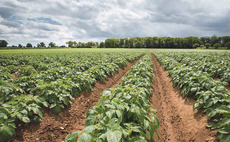
Scottish seed potato growers have come out strongly in defence of their production standards amid accusations of unacceptable viral infection in 2019 crops.
04 February 2020
鈥�
2 min read