Arable Farming

Arable
These are challenging times for all and so I wanted share with you what we are doing here at Arable Farming and the CropTec Show to ensure we keep you informed and up to date in the coming weeks and months as measures to manage the coronavirus (COVID-19) pandemic are implemented.
 18 March 2020
鈥�
2 min read
18 March 2020
鈥�
2 min read
Arable
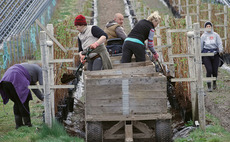
Demands for 鈥榓ssurances鈥� on whether the number of seasonal visas on offer will be dramatically increased have intensified, as concerns over coronavirus grow.
18 March 2020
鈥�
2 min read

Arable
Hemp, or Cannabis sativa, was widely grown across the UK throughout history and once upon a time it could be found on many farms as a staple crop. But despite its multitude of uses from culinary to construction, it has struggled to gain traction in more recent years.
16 March 2020
鈥�
6 min read
Arable
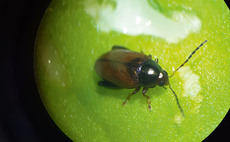
While most oilseed rape growers are striving to kill cabbage stem flea beetles (CSFB), a programme of rearing their number one pest is going ahead using AHDB funds.
14 March 2020
鈥�
5 min read
Arable
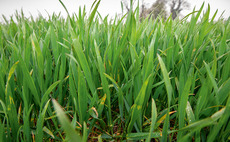
Despite the challenging season, around 90-95 per cent of AHDB Recommended List (RL) cereals trials are on track to reach harvest this summer.
11 March 2020
鈥�
2 min read
Arable
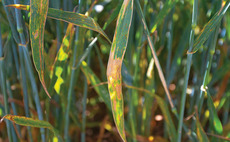
Fungicide active epoxiconazole was not among 30 plus actives which recently had their expiry dates extended to allow the EC longer to consider and process reapproval submissions.
10 March 2020
鈥�
1 min read
Arable
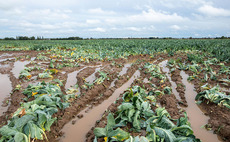
草榴社区 whose crops have failed or are unable to get seed in the ground are now faced with the added stress of meeting crop diversification requirements in order to qualify for greening payments
10 March 2020
鈥�
1 min read
Arable
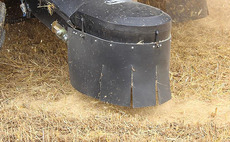
The threat posed by potential resistance to key residual herbicide, flufenacet, could bring harvest weed seed management further to the fore in the UK
10 March 2020
鈥�
6 min read
Arable
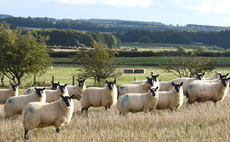
Integrating livestock into arable systems can improve farm productivity, generate opportunities for new entrants and create diverse rotations that feed and heal soils.
09 March 2020
鈥�
3 min read
Arable
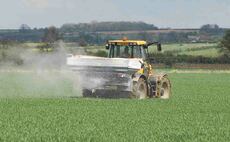
Late-drilled and backward wheat crops will need careful management to get them kick-started this spring. Arable Farming asked arable nutrition specialist Ross Leadbeater of CF Fertilisers for some pointers.
08 March 2020
鈥�
6 min read